A Labyrinth is a structured path, constructed most often so that the path curves around a centre. Labyrinths are symmetrical and unicursal, which means they are just one path. They are built low to the ground so you may step out when you wish. They are designed so you cannot get trapped, lost, or confused, or meet dead ends like you can in a maze. Labyrinths are thought to be sacred as they are designed from geometry using a compass and marker and often built into the earth.
If you have never walked a labyrinth, why not head over to Prospects Trust Farm Nature Reserve and try it for yourself.
What are Labyrinths for?
A labyrinth makes sure you are on the right path and when you follow it back, it brings you right back to where you started and can be used as a trust affirming practice. Labyrinths are for walking, for contemplation, or for styles of movement meditations. They are designed with twists and turns, so you might appear to be walking back on yourself, or moving close to the centre and then further away, yet you are simply walking the next part of your journey as it unfolds before you.
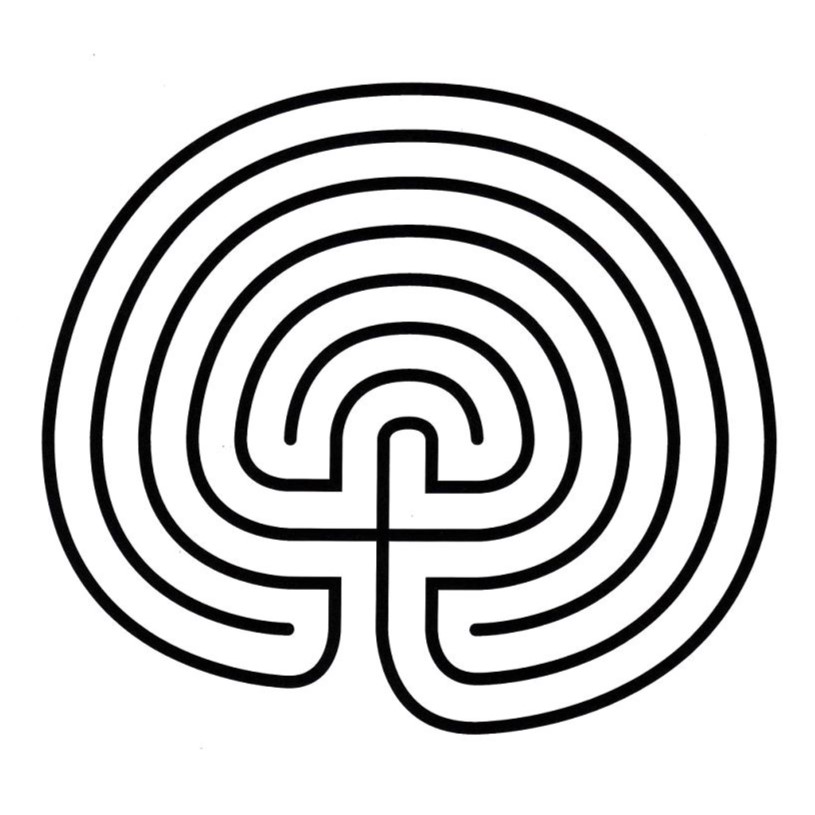
Taking a closer Look at Labyrinths
A labyrinth represents the path you walk in life, your journey. Different to a walk because you are held, or guided along a fixed path, reducing the need to be alert and creating a sense of safety. As you walk a labyrinth, you are engaging in the physical while exploring your inner thoughts and feelings. They can be used to explore dreams or visions we may want to bring into the world. The physical engagement brings a sense of embodiment to plans and ideas, seeming to step us out of being solely in the imagination, helping to integrate ideas, find solutions, or re-ignite your life’s purpose. Walking a labyrinth requires movement which can inspire creativity, revive a sense of clarity, free up blocks, or stagnation or open up further contemplations. There is a sense of magic, mystery and wonder about labyrinths as we do not know what might transpire except for to enter into the experience of walking one and find out for yourself.